
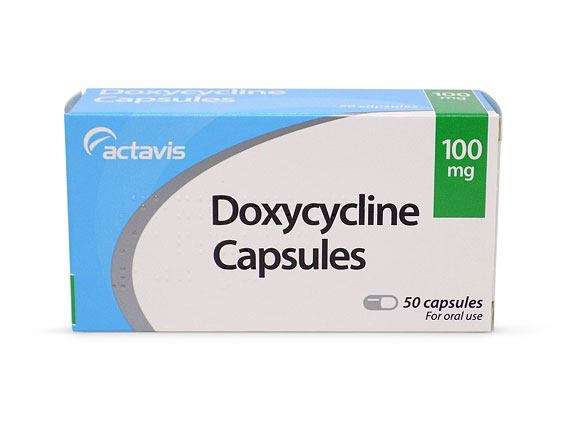
Doxycycline
Price range: £11.99 through £79.99
It is widely used by travellers to prevent malaria, being one of the three primary antimalarial medications recommended for malaria prophylaxis. Additionally, in certain cases, it is administered in combination with quinine to treat active malaria infections.
How does it work?
Doxycycline prevents malaria by targeting and eliminating the malaria parasite in the bloodstream, effectively disrupting its development and proliferation. When an infected mosquito bites a person, it transmits the malaria parasite into the human bloodstream.
Doxycycline acts to kill the parasite during this stage and has a partial effect on the liver stage of the parasite’s life cycle, providing protection before the parasite reaches the blood stage.
To ensure effective prevention, it is crucial to begin taking doxycycline before entering an area with malaria-infected mosquitoes and to continue the medication for up to 4 weeks after returning.
Who is at risk of malaria?
Malaria is prevalent in certain tropical and sub-tropical regions, primarily where mosquitoes that carry the malaria parasite are common. The disease is found in areas across South America, Southern Asia, and Africa.
The risk of malaria can vary depending on the specific region and the time of year.
It is essential for travellers to assess the malaria risk for their particular destination well in advance of their trip.
For tailored advice, consult resources such as the NHS Scotland Fit for Travel website or contact us, we can provide information on the most suitable antimalarial medication based on the country you are visiting and the prevailing risk factors.
Additional information
| Strength | 100mg |
|---|---|
| Quantity | 37 capsules (1 week trip), 44 capsules (2 week trip), 51 capsules (3 week trip), 58 capsules (4 week trip), 65 capsules (5 week trip), 72 capsules (6 week trip), 86 capsules (8 week trip), 114 capsules (12 week trip), 212 capsules (6 month trip), 400 capsules (1 year trip) |
Related products
-
Maloff Protect
Price range: £47.99 through £69.99 Select options This product has multiple variants. The options may be chosen on the product page -
Malarone & Generic Malarone (Atovaquone / Proguanil)
Price range: £29.99 through £110.99 Select options This product has multiple variants. The options may be chosen on the product page