Haemorrhoids are enlarged blood vessels that occur in the anal canal. They develop when the veins around the anus stretch under pressure and bulge or swell. These swollen veins are actually normal anatomical structures called anal cushions, which help with stool control. When they become abnormally enlarged, they are referred to as haemorrhoids
At our online private pharmacy, your health and safety are our top priorities. That’s why all the haemorrhoid treatments we offer are fully licensed and sourced from trusted, reputable manufacturers.
Personalised piles treatment is tailored to your symptoms, severity, and medical history. Rather than a one-size-fits-all approach, treatment is selected to relieve discomfort and support healing effectively.
Treatment helps reduce pain, itching, and swelling, making daily activities more comfortable.
Medication works to soothe and shrink Haemorrhoids, helping improve symptoms and prevent irritation.
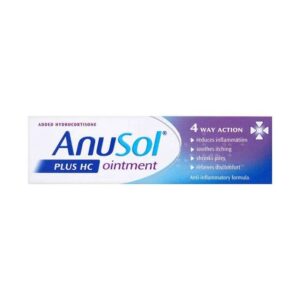
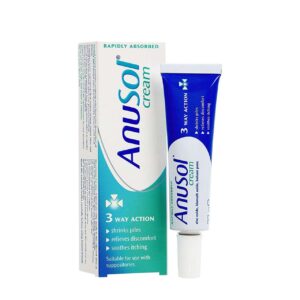
You’ll receive the most suitable cream, ointment, or treatment based on your needs, helping ensure effective relief while minimising side effects.
Hemorrhoids are primarily caused by increased pressure in the lower rectum, which can result from several factors:
Sitting for prolonged periods: Especially on the toilet, which can exacerbate the condition.
Low-fibre diet: A diet lacking in fibre can lead to constipation, increasing the risk of haemorrhoids.
Pregnancy: The weight of the fetus can put pressure on the pelvic veins, leading to haemorrhoids.
Aging: The tissues supporting the veins in the rectum and anus can weaken with age.
Heavy lifting: Repeatedly lifting heavy objects can increase abdominal pressure.
Obesity: Excess weight can contribute to increased pressure on the pelvic veins.
Certain medical conditions can exacerbate haemorrhoids, including:
Liver disease: Conditions like cirrhosis can increase pressure in the veins, leading to haemorrhoids.
Inflammatory bowel diseases: Such as Crohn’s disease, can increase the likelihood of haemorrhoid formation
To reduce the risk of developing haemorrhoids, consider the following lifestyle changes:
Increase fibre intake: Consume a diet rich in fruits, vegetables, and whole grains to help soften stools and reduce straining.
Stay hydrated: Drink plenty of fluids to prevent constipation.
Exercise regularly: Physical activity helps prevent constipation and reduces pressure on veins.
Avoid prolonged sitting: Especially on the toilet, to reduce pressure on the anal veins.
Manage weight: Maintaining a healthy weight can reduce the pressure on the pelvic veins.
Most haemorrhoids can be managed with conservative treatments, including:
Over-the-counter creams and ointments: These can help reduce pain and swelling.
Warm baths: Soaking in a warm bath can provide relief from symptoms.
Cold compresses: Applying ice packs can reduce swelling.
Laxatives: If constipation is a contributing factor, laxatives may be recommended to ease bowel movements.
In more severe cases, medical procedures such as rubber band ligation, sclerotherapy, or surgical removal may be necessary
It is important to consult a healthcare provider if you experience haemorrhoid symptoms for the first time, notice blood in your stool, or if symptoms worsen despite home treatments. A doctor can provide a proper diagnosis and recommend appropriate treatment options

Sign up to our website, complete a consultation for your selected condition and order your medication.

Our pharmacist will review your consultation and approve your order.

Track your order and have your medication delivered right to your door.