
Male pattern baldness is a common, genetic condition that leads to permanent hair loss. Male pattern baldness affects 50% of men over 50 years of age but can also affect men in their 20s.
The hair loss in male pattern baldness starts as a thinning of the hair at the sides and on the top of the head. So it’s this “pattern” that defines the condition and separates it from other types of hair loss.
While this form of hair loss in men isn’t serious and doesn’t need treatment, it is permanent and can be distressing. The loss of hair can affect your confidence and self-esteem. However, there are several treatment options available to stop your hair loss and even regrow new hair.
Personalised hair loss treatment is tailored to your hair type, pattern of loss, and medical history. Rather than a one-size-fits-all approach, treatment is selected to help slow hair loss and support regrowth.
Treatment works to stimulate hair follicles and encourage regrowth, helping improve thickness and overall hair density over time.
Medication helps reduce the progression of Male Pattern Baldness, supporting longer-term hair retention.
You’ll receive the most suitable option based on your needs, helping achieve results safely while minimising side effects.
Male pattern baldness, or androgenetic alopecia, is a genetic condition where hair follicles become sensitive to the hormone dihydrotestosterone (DHT). This sensitivity causes the follicles to shrink, leading to thinning hair and eventual hair loss. The hair loss typically begins with a receding hairline and thinning at the crown, progressing over time if left untreated.
Male pattern baldness is primarily due to genetic factors, inherited from your parents. Hair follicles on the scalp convert testosterone into DHT, which, in individuals with a genetic predisposition, causes hair follicles to shrink and eventually cease producing hair. While not a serious health issue, it can be distressing and affect your confidence.
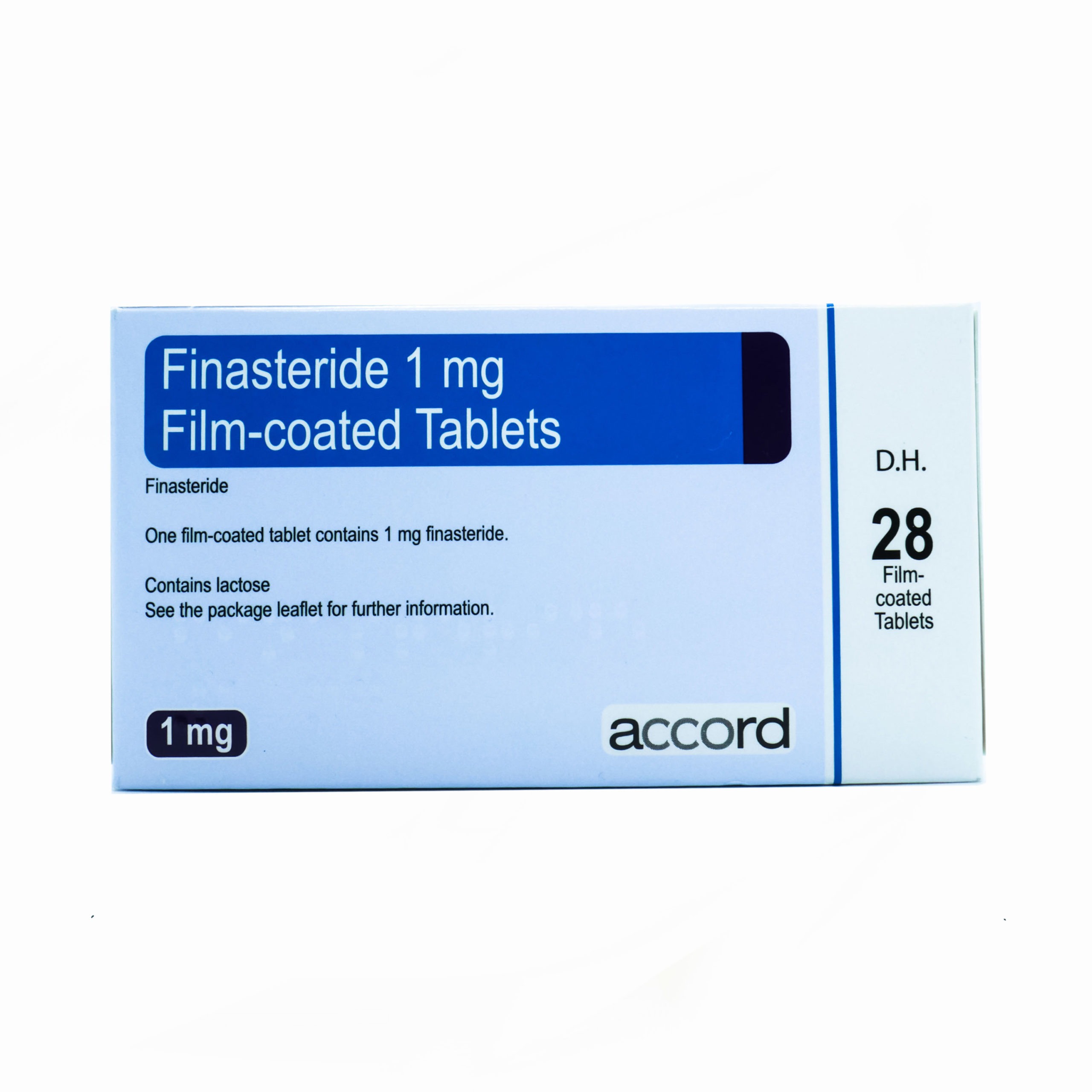
Oral Medications: Tablets like finasteride work by reducing DHT levels, helping to prevent further hair loss and promote regrowth.
Laser Therapy: Low-level laser therapy (LLLT) stimulates hair follicles and can improve hair density.
Hair Transplants: Surgical procedures, including follicular unit transplantation (FUT) and follicular unit extraction (FUE), transplant hair follicles to thinning areas.
Scalp Reduction Surgery: This involves removing bald sections of the scalp and stretching the areas with hair to cover the bald spots.
Wigs and Hairpieces: High-quality synthetic or natural hair options provide an immediate solution for concealing hair loss.
Certain lifestyle changes can support hair health

Sign up to our website, complete a consultation for your selected condition and order your medication.

Our pharmacist will review your consultation and approve your order.

Track your order and have your medication delivered right to your door.